Cut, woven, set, and dyed.

How historical clothing, cloth, jewelry and dyes were made, shown in construction diagrams drawn for this site and museum photographs traced to their sources.

Reference plates

Pages that gather one topic in one place.

  1. Six ring settings

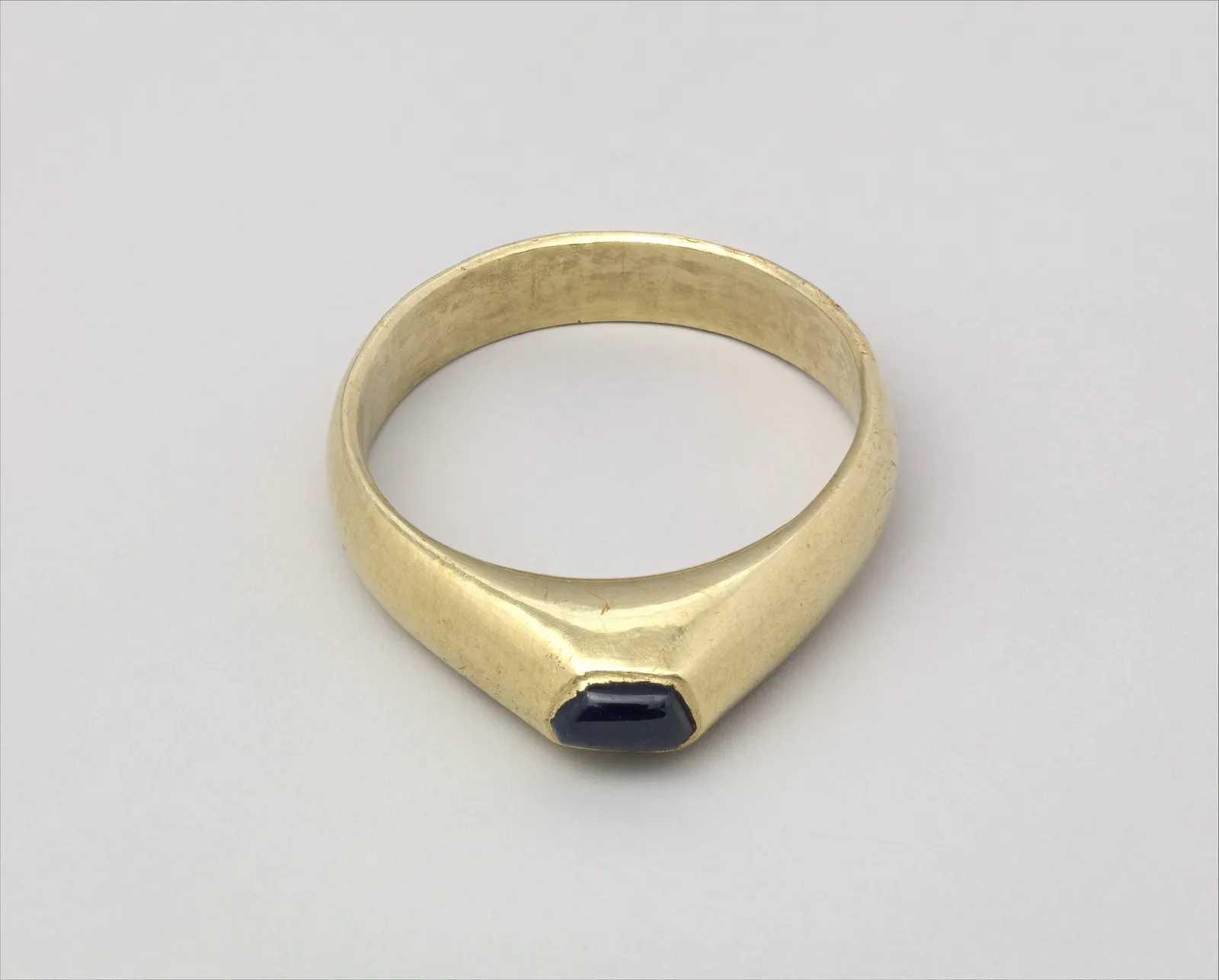
    Ring Settings: Cellini's Closed Backs Hid Colored Foil

    Jeweler · Jewelry Anatomy

  2. Getting dressed, 1770–1800

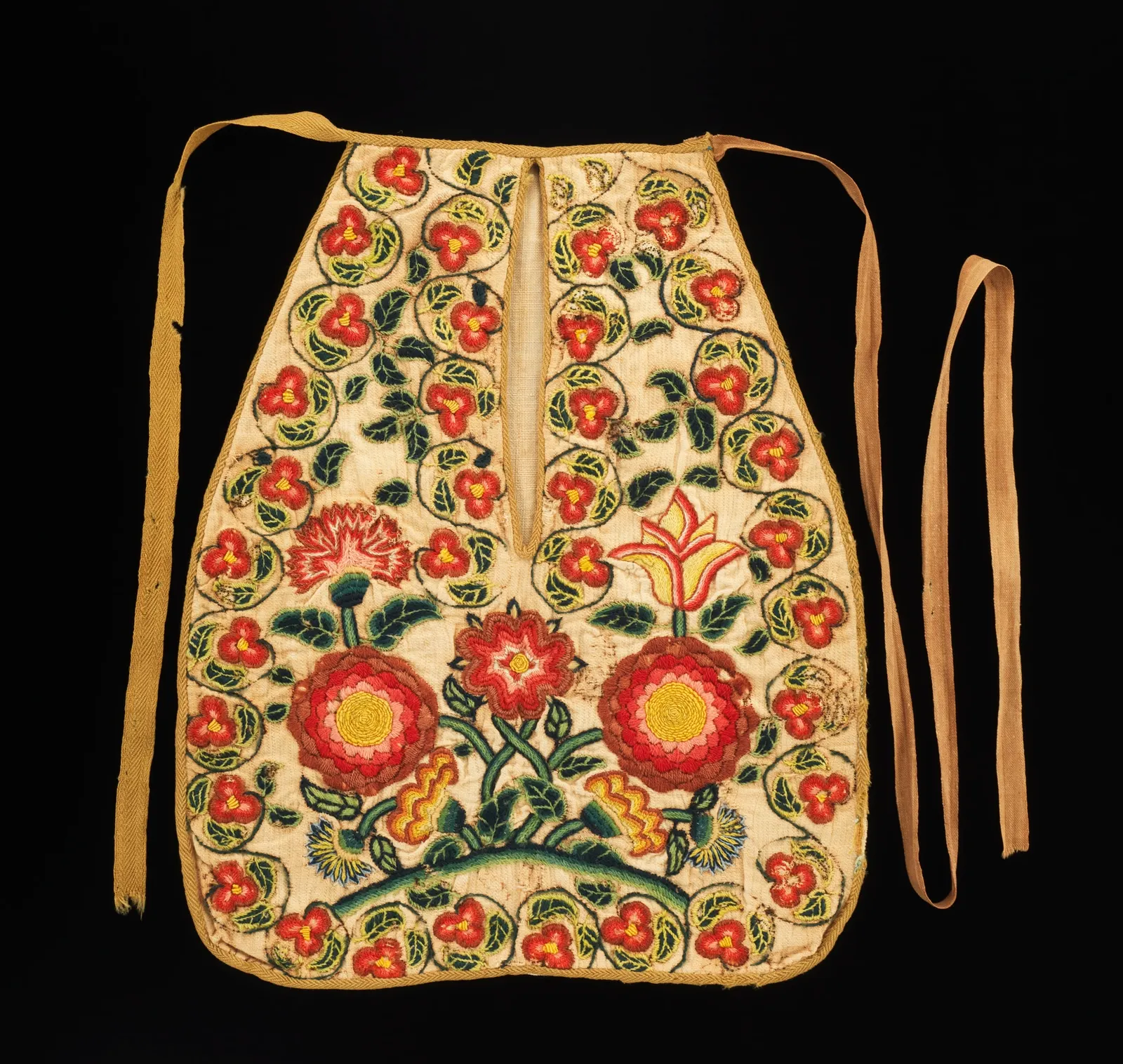
    18th-Century Clothing: A Woman's Pocket Was a Separate Bag

    Tailor · Historical Clothing Construction

  3. Three basic weaves

    Types of Weave: Satin Is a Structure, Not a Fiber

    Weaver · Weaves & Patterns

Latest entries

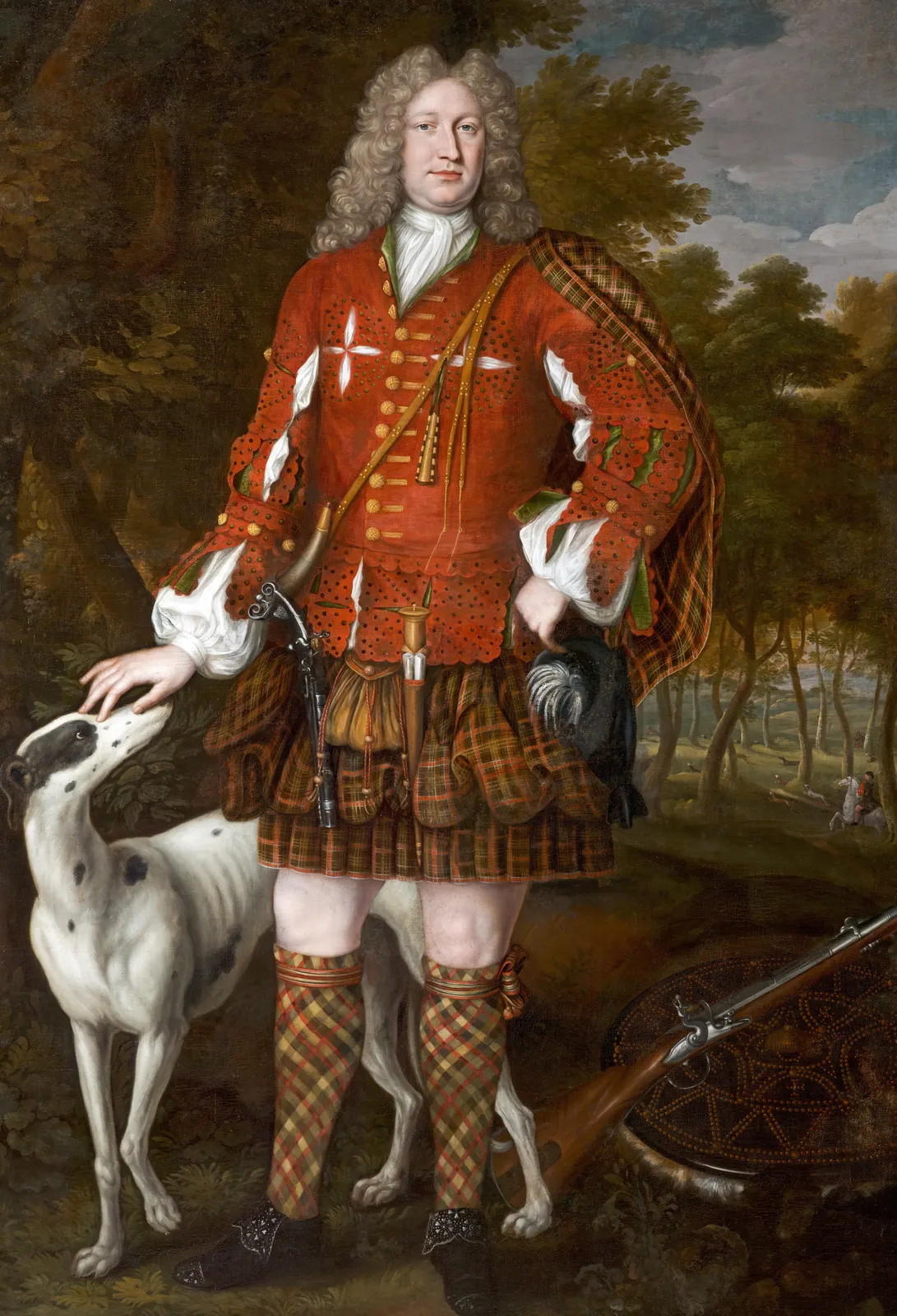
Lord Duffus, red jacket, tartan pleated at waist and over a shoulder; Richard Waitt, c. 1712; National Galleries of Scotland

Weaver Weaves & Patterns

Tartan: How Three Yarn Colors Make Up to Six on the Cloth

Tartan repeats one stripe list in warp and weft, usually woven in 2/2 twill. See why three yarn colors make up to six on the cloth, and why blends can cover half of it.

Picture credit

"Kenneth Sutherland, 3rd Lord Duffus, d. 1734. Jacobite" by Richard Waitt — https://commons.wikimedia.org/wiki/File:Kenneth-sutherland-3rd-lord-duffus-d-1734-jacobite.jpg — Public domain (Richard Waitt d. 1732, PD in US and EU)
The four trades

  • The tailor cut

    Historical Clothing Construction

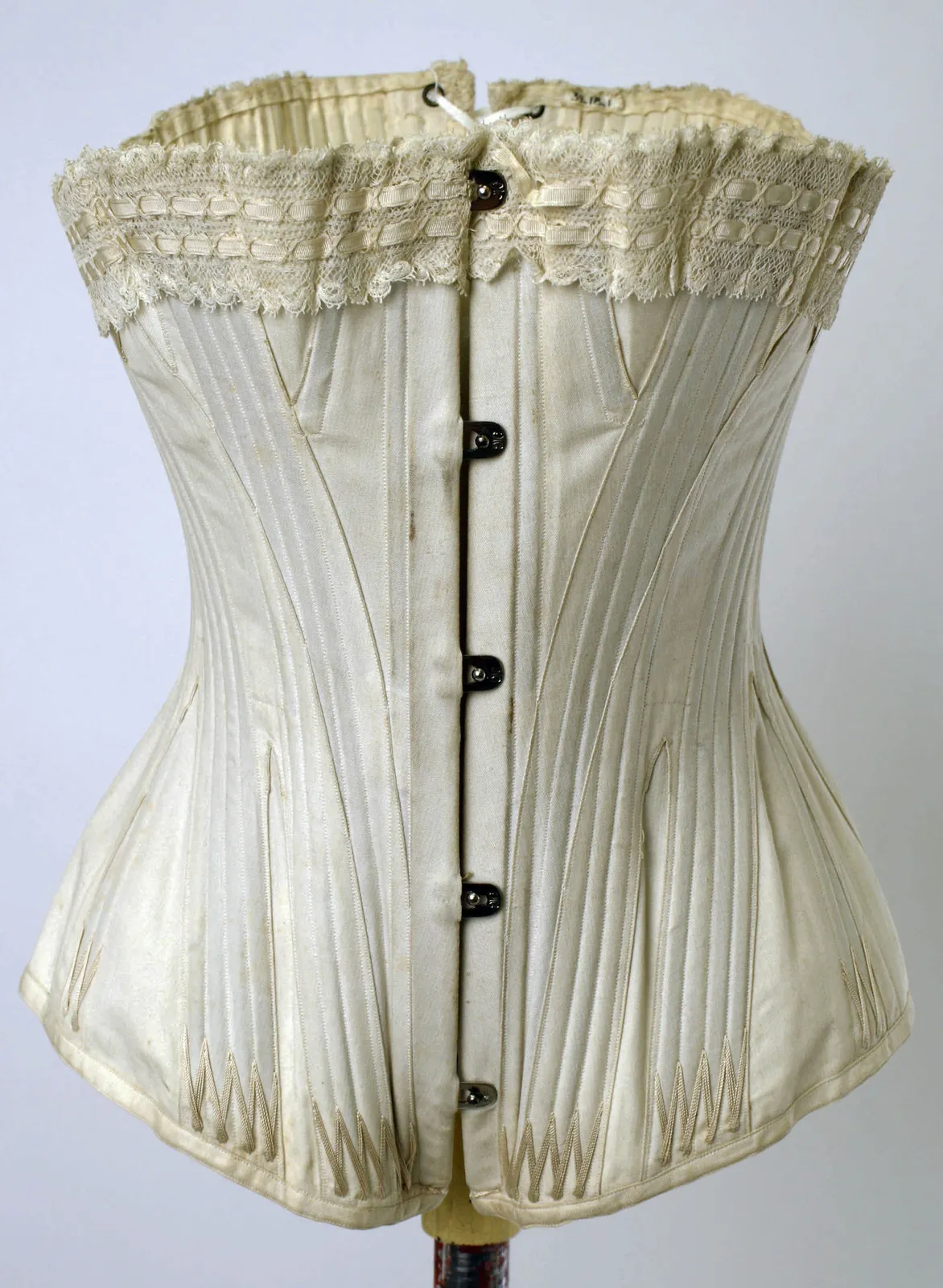
    How Western women's dress of the 1700s and 1800s was cut, sewn and put on and how its silhouette changed, with corsets read from period sources and a skeleton study.

    3 entries

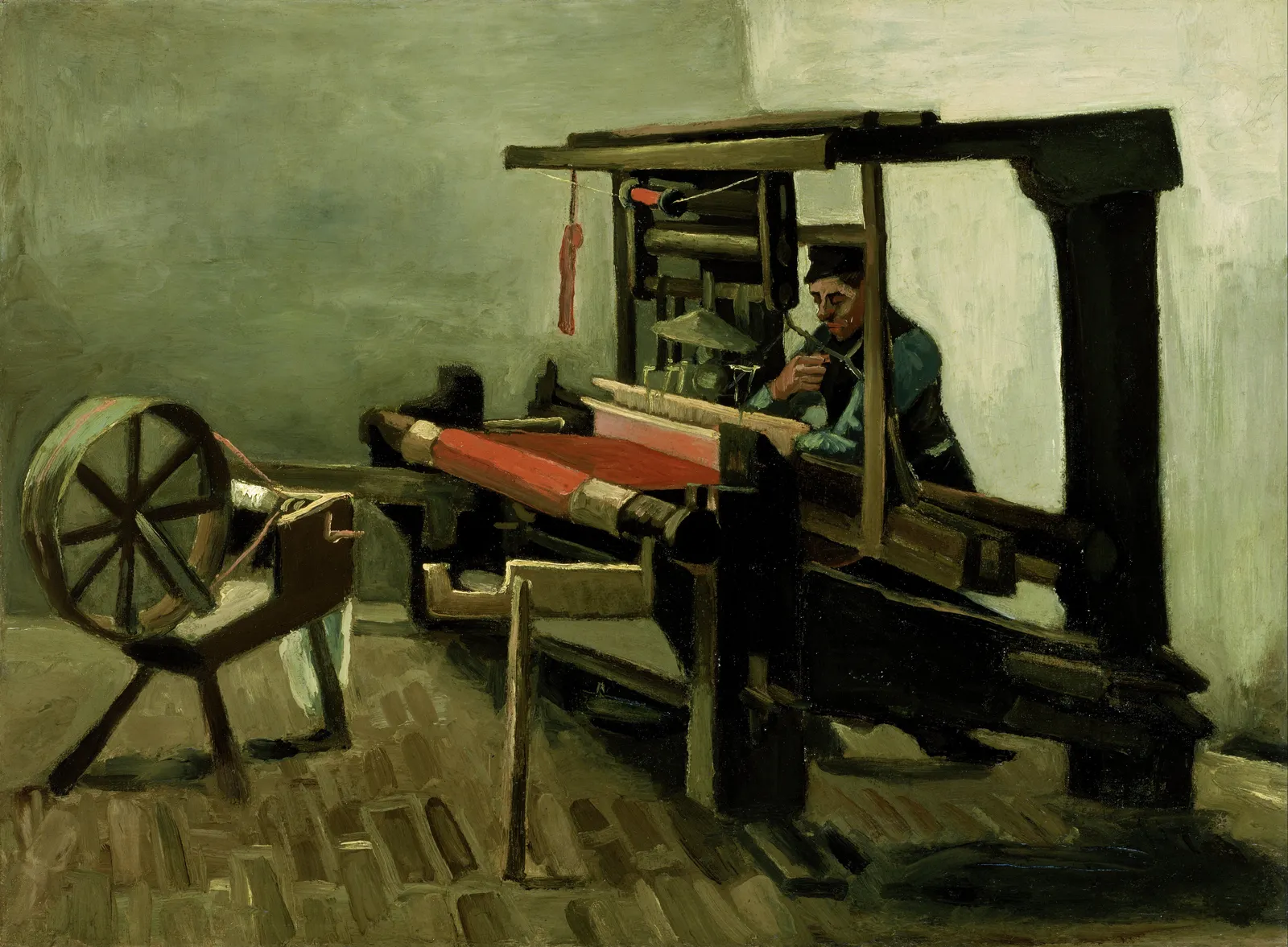
  • The weaver woven

    Weaves & Patterns

    How plain, twill and satin weaves are built, and how tartan and houndstooth form on the cloth as it is woven, drawn thread by thread.

    3 entries

  • The jeweler set

    Jewelry Anatomy

    How jewelry is built: ring settings cut open, hairwork braided with bobbins, and cameos carved down through a shell's color layers. Construction, not value.

    3 entries

  • The dyer dyed

    Dyes & Pigments

    Tyrian purple, indigo and arsenic green on dress: sources, chemistry, process and names, told as history, with what tests on surviving cloth can show.

    3 entries

Name this part

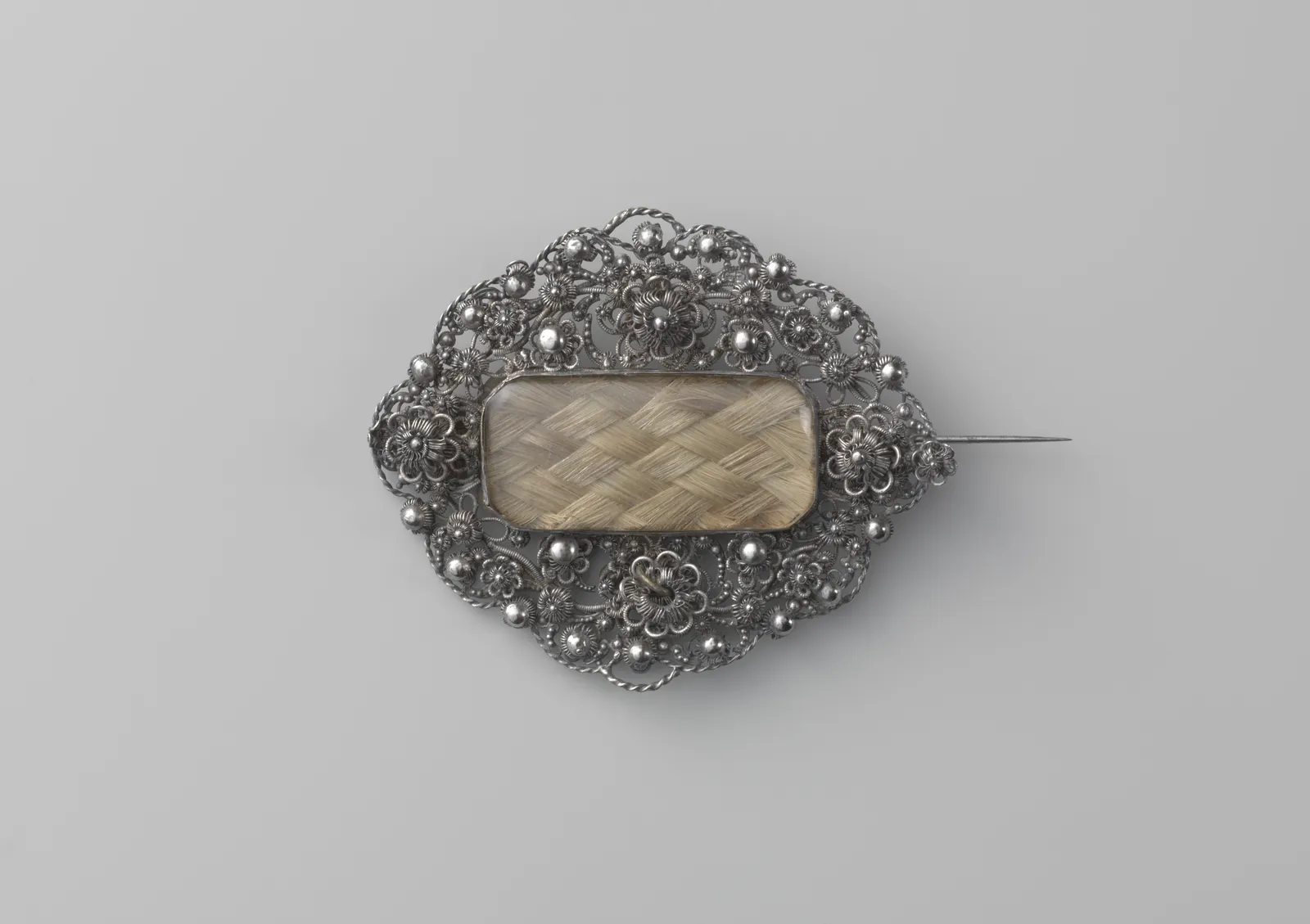
Silver filigree brooch with flat-braided light brown hair under glass; Netherlands, c. 1843; Rijksmuseum BK-NM-1120

Look closely at the picture. What is this part called, and what holds it in place? The entry has the answer.

Open the entry to check

This week's part

Picture credit

"Broche met haar van de dichteres Petronella Moens" by Unknown maker — https://commons.wikimedia.org/wiki/File:Broche_met_haar_van_de_dichteres_Petronella_Moens,_BK-NM-1120.jpg — CC0 1.0 (https://creativecommons.org/publicdomain/zero/1.0/)

Find an entry

Find an entry by name. The search covers entry titles, their short descriptions, category names and the Name line of each build card.

    The search box needs JavaScript. Every entry is also listed under its category: Historical Clothing Construction, Weaves & Patterns, Jewelry Anatomy, Dyes & Pigments.